(1863 – 1948)
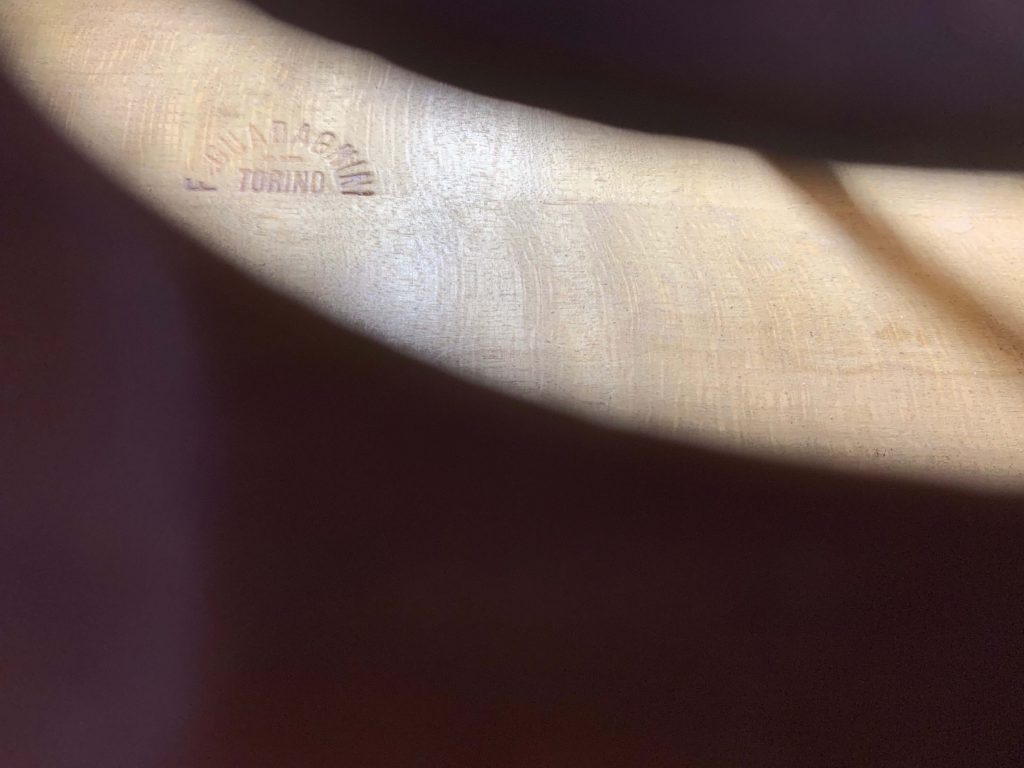
Second only to his great-grandfather G.B. Guadagnini in productivity, Francesco Guadagnini inherited the family workshop in 1881 at the age of 18. He ran the business successfully, with some help from his brother Giuseppe II, and although he continued the trade relationship with Mirecourt established by his grandfather Gaetano II, he soon became interested in violin making. The presence of workshop assistant Enrico Marchetti during his father’s tenure probably had a formative influence on Francesco’s work.
彼の曽祖父G.B.に次ぐ 生産性の高いグアダニーニ、フランチェスコグアダニーニは、1881年に18歳で家族のワークショップを継承しました。彼は、兄のジュゼッペIIの助けを借りて事業を成功させ、祖父のガエターノIIによって確立されたミルクールとの貿易関係を継続しました。 すぐにバイオリン作りに興味を持つようになりました。 父親の在職中にワークショップアシスタントのエンリコマルケッティがいたことは、フランチェスコの仕事に形成的な影響を与えたと思われます。
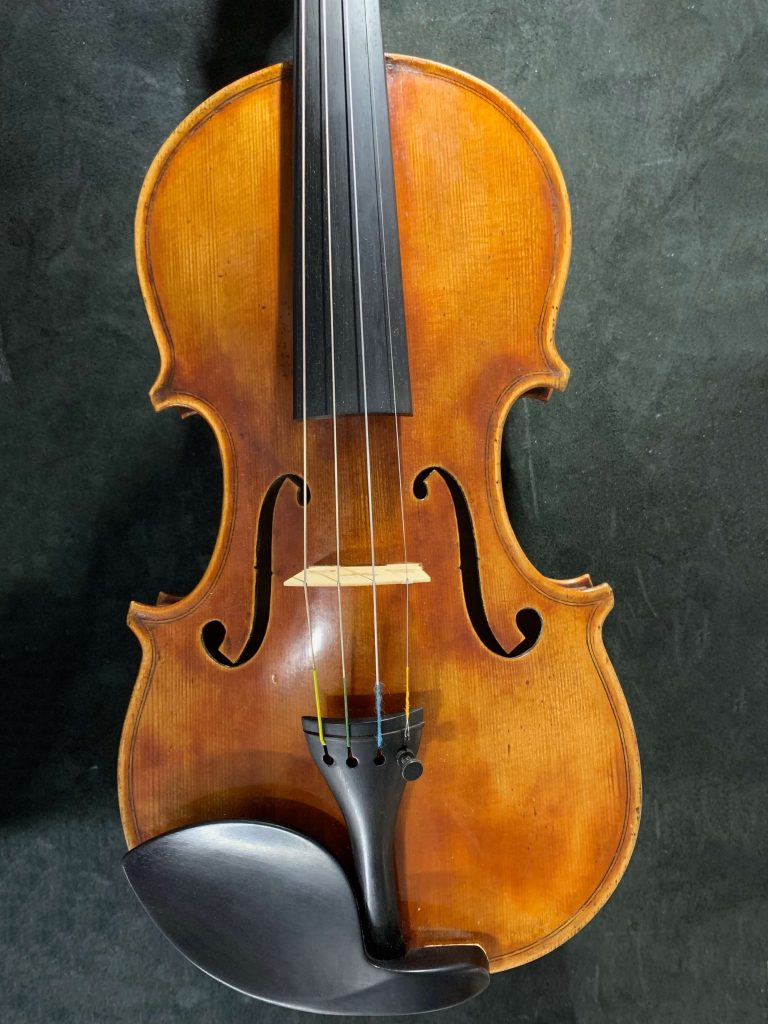
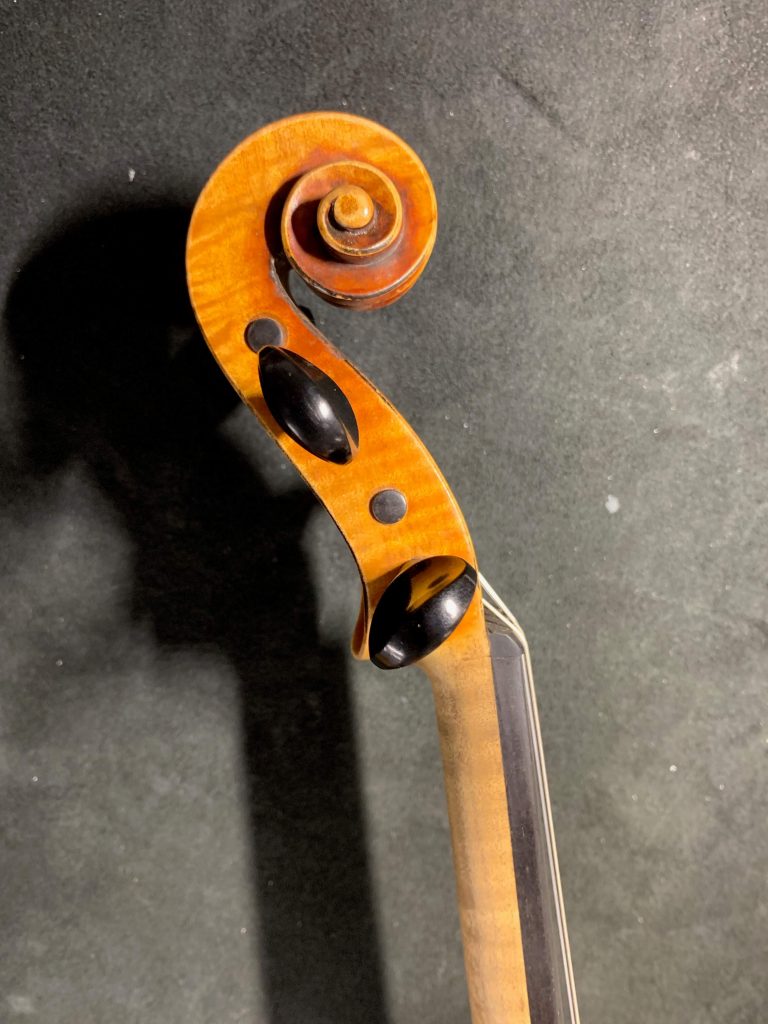
His best instruments, which date from the first decade of the 20th century, feature a hard yellow-orange layer of varnish with a reddish-pink on top and are on a contemporary version of a Guadagnini model. In Francesco’s time the shop employed several young and talented makers, including Carlo Oddone, Annibale Fagnola, and Evasio Emilio Guerra, who probably inspired his best work. After 1912 his model remains much the same until about 1920, when it becomes more exaggerated and the varnish becomes hard and dark red in color. Though the peak of his output in quality is around 1900-1910, these lesser later instruments are much more common. Francesco’s son Paolo followed in his footsteps, the last violin maker of the great Guadagnini dynasty.
20世紀の最初の10年間にさかのぼる彼の最高の楽器は、上に赤みがかったピンクのニスの硬い黄橙色の層を特徴とし、グアダニーニモデルの現代版にあります。 フランチェスコの時代、店はカルロ・オドン、アニベール・ファニョーラ、エヴァシオ・エミリオ・ゲラなど、彼の最高の作品に影響を与えたと思われる若くて才能のあるメーカーを何人か雇っていました。 1912年以降、彼のモデルは1920年頃までほとんど変わりません。1920年頃になると、モデルはさらに誇張され、ニスの色は硬くて濃い赤になります。 彼の出力のピークは1900年から1910年頃ですが、これらのあまり後の楽器ははるかに一般的です。 フランチェスコの息子パオロは、偉大なグアダニーニ王朝の最後のヴァイオリン製作者である彼の足跡をたどりました。